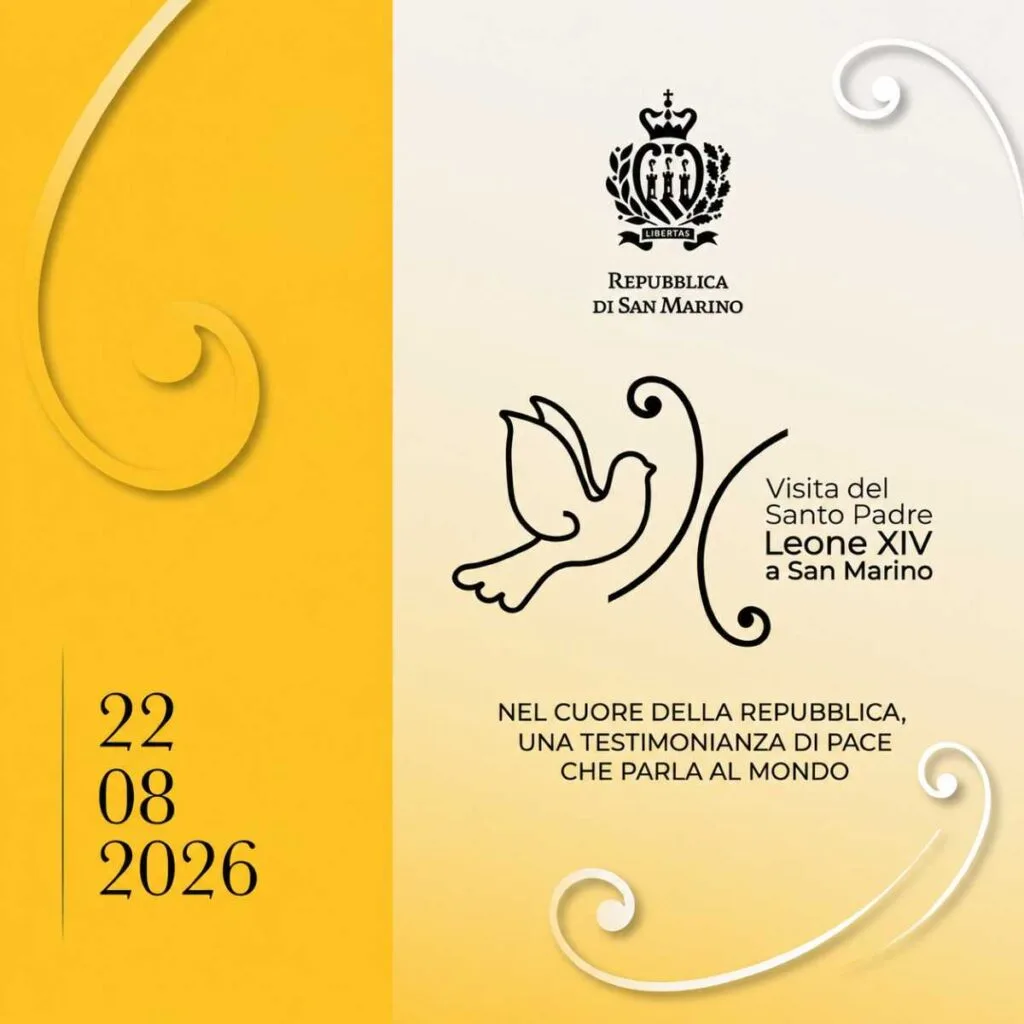
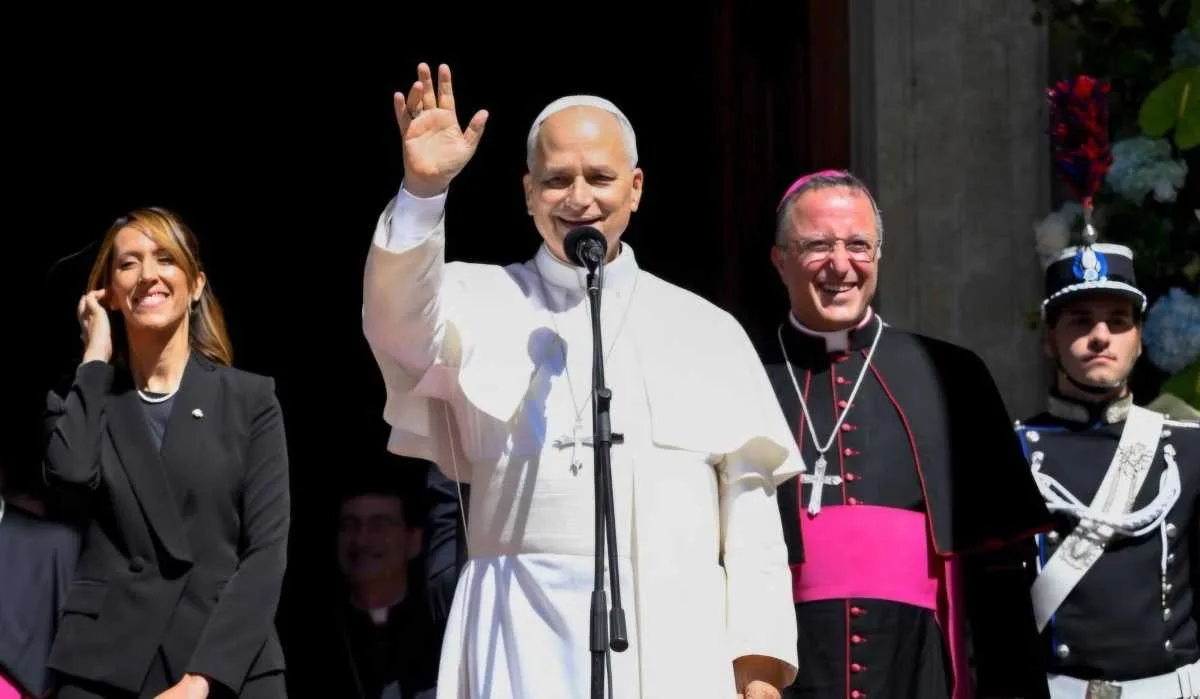
On Saturday, 22 August 2026, the Most Serene Republic of San Marino welcomed His Holiness Pope Leo XIV for a Pastoral Visit in the spirit of faith, freedom, peace, and fraternity.
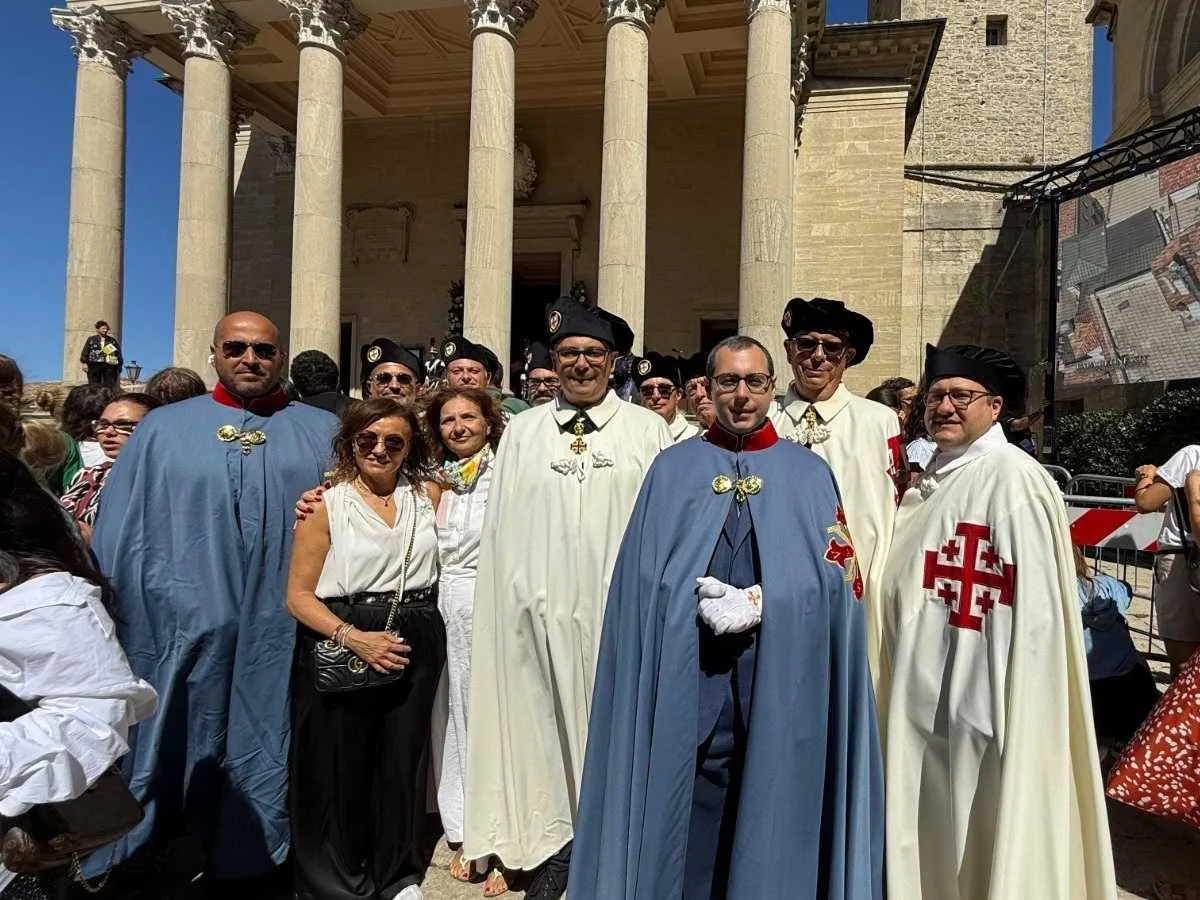
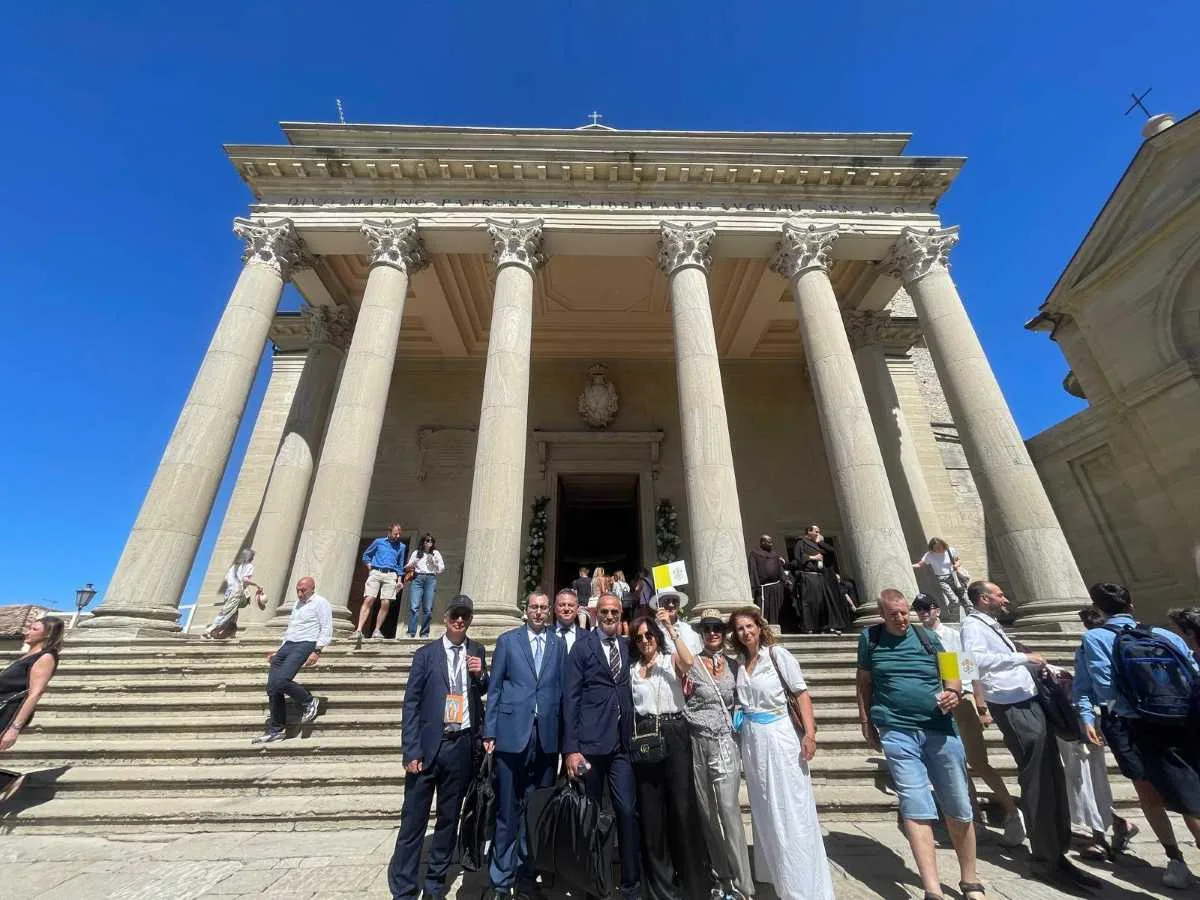
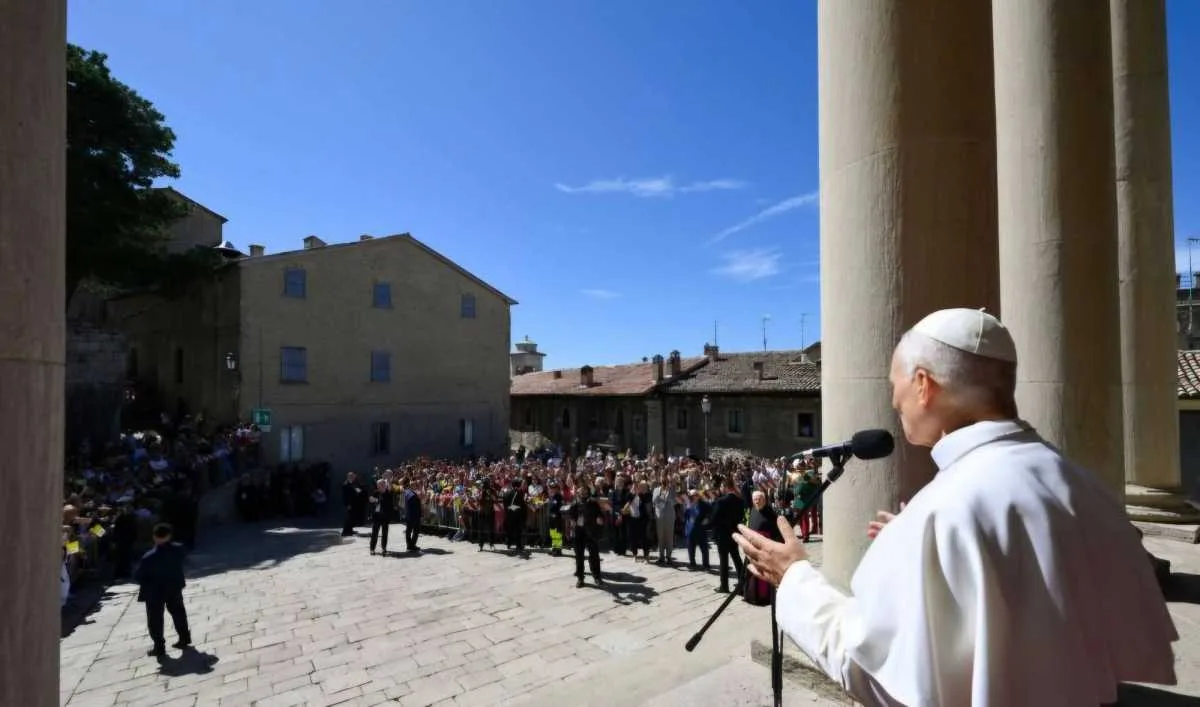
At the Church stop at the Basilica of San Marino (Pieve), at Piazzale Domus Plebis, within the walls of the ancient city in the Republic, a representation of the Royal Commission for the Most Serene Republic of San Marino of the Sacred Military Constantinian Order of Saint George took part, with Knights, Ladies, and Petitioners, joining the clergy, consecrated men and women, young people, and ecclesial groups of the Diocese of San Marino-Montefeltro.
The Pope’s visit to the Republic on “the Mount” (Titano)—the third visit by a Pope to San Marino after those of Saint John Paul II in 1982 and Pope Benedict XVI in 2011—took on special significance as it took place during the year commemorating the centenary of the official relations between the Holy See and the Republic of San Marino.
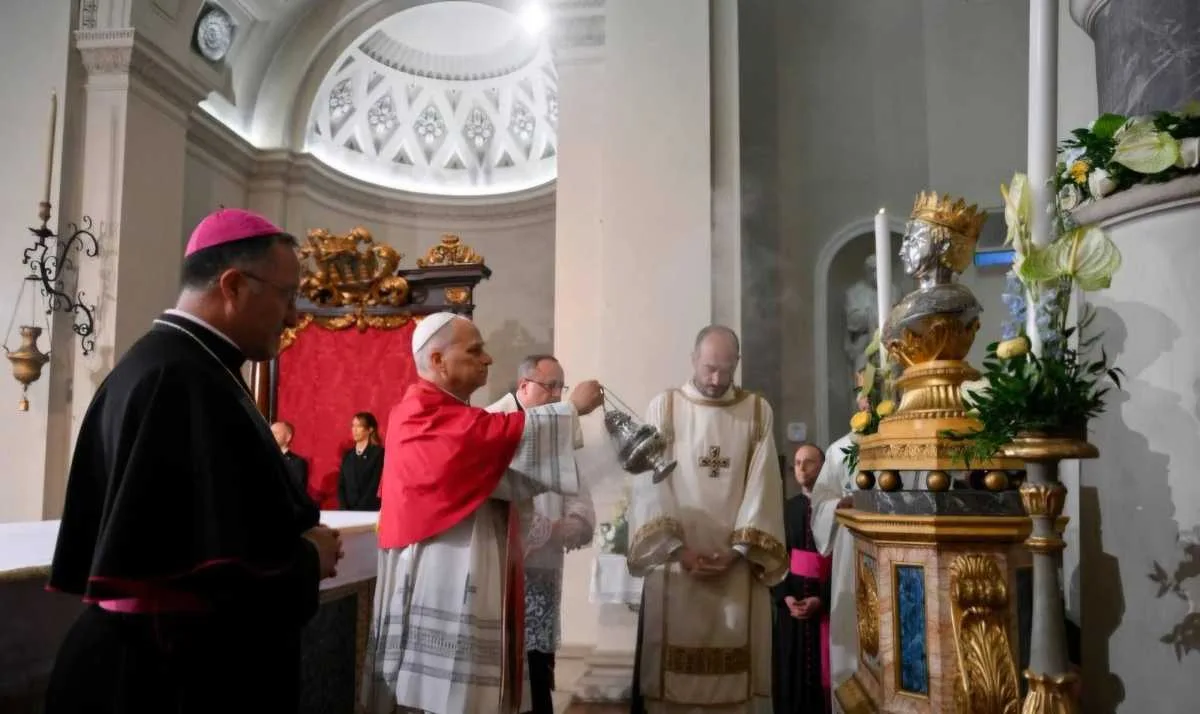
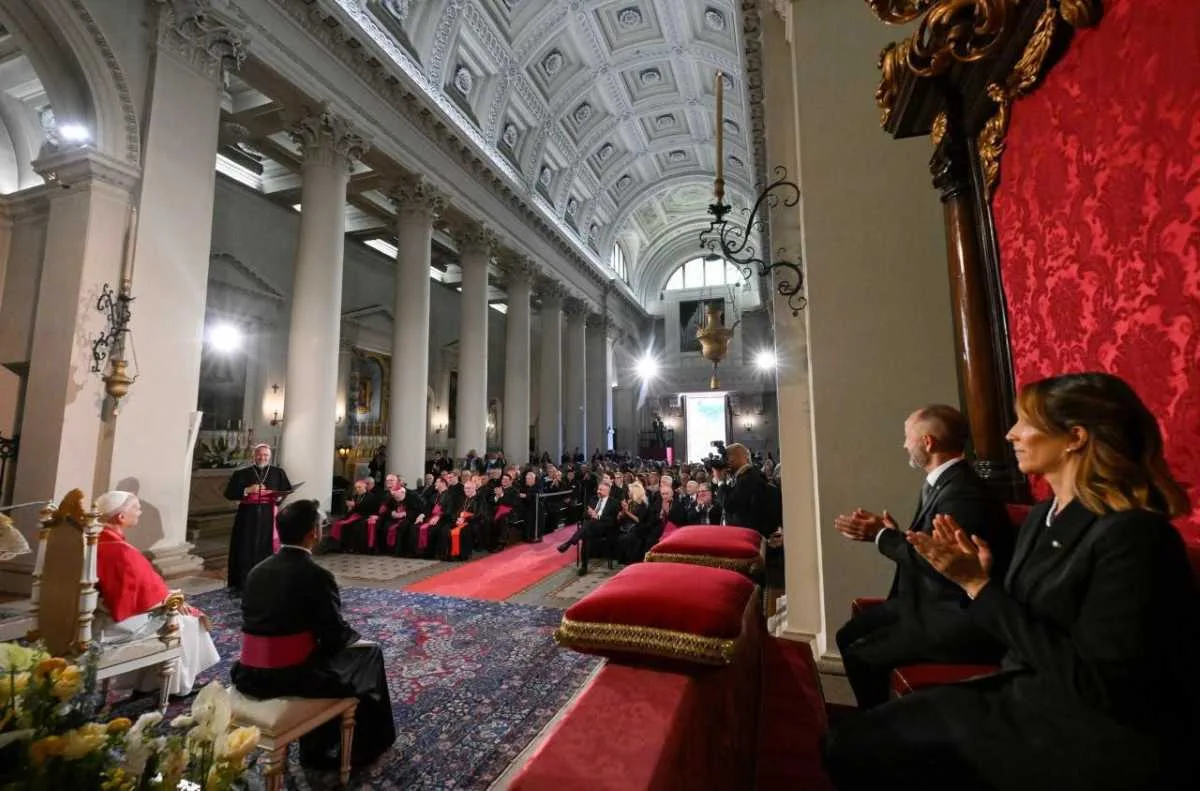
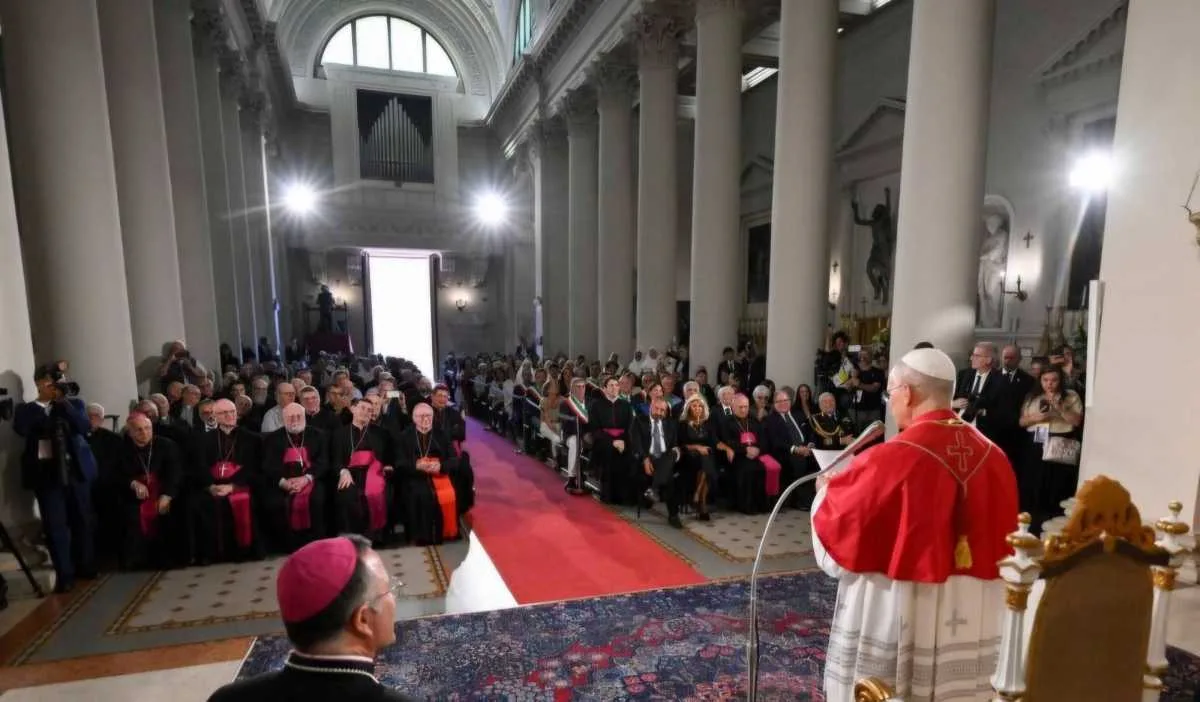
After the institutional part of the morning, Pope Leo XIV walked to the Basilica dedicated to Saint Marinus, where he was welcomed by the Most Reverend Domenico Beneventi, Bishop of San Marino-Montefeltro, and by the Rector, Father Marco Mazzanti. The Pontiff paused for adoration before the Blessed Sacrament and venerated the Relics of Saint Marinus, before meeting with priests, consecrated persons, and representatives of ecclesial life.
Confrères and Sisters of the Royal Commission, along with the Petitioners, took part in this significant moment of faith. The Constantinian presence testified to the closeness of the Order to the local Church on a day destined to remain in the religious and civic history of the Republic.
In his address, Pope Leo XIV recalled the rich legacy of faith of the Diocese of San Marino-Montefeltro, linked to Saints Marinus and Leo, and noted how their Christian proclamation helped give rise to a culture founded on the dignity of the person, freedom, mutual respect, and communion.
“True civil freedom does not exist without personal freedom”: starting from the Libertas that characterizes San Marino’s history, the Holy Father emphasized the connection between freedom, human dignity, responsibility, conscience, and the search for truth. He also pointed to San Marino as a possible “laboratory of good politics,” referring to the common good, solidarity, subsidiarity, and social justice, and reaffirmed the value of diplomacy and dialogue for building peace.
Turning especially to young people, the Pope invited them not to settle for easy and immediate answers, but to keep their hearts open to the great desires for beauty, goodness, and life, discerning—courageously—their own vocation. He urged them not to fear demanding choices and to commit themselves to initiatives of charity and justice, thus offering “a testimony of peace that speaks to the world.”
Ample space was devoted to the family, the first place where faith is formed, as well as sacramental and liturgical life, and charity—which must always keep the person’s integral good at heart. In the face of a world marked by conflicts, violence, and closure, the Pope once again indicated the way of the Gospel: attention to the weakest, forgiveness, solidarity, and fraternity.
The heart of the message to the Diocese of San Marino-Montefeltro was ultimately summed up in one word: communion. “The final word—the one I care about most—is communion,” Pope Leo XIV said, inviting everyone to testify to unity among parishes, among pastors and faithful, and among the different charisms and ministries.
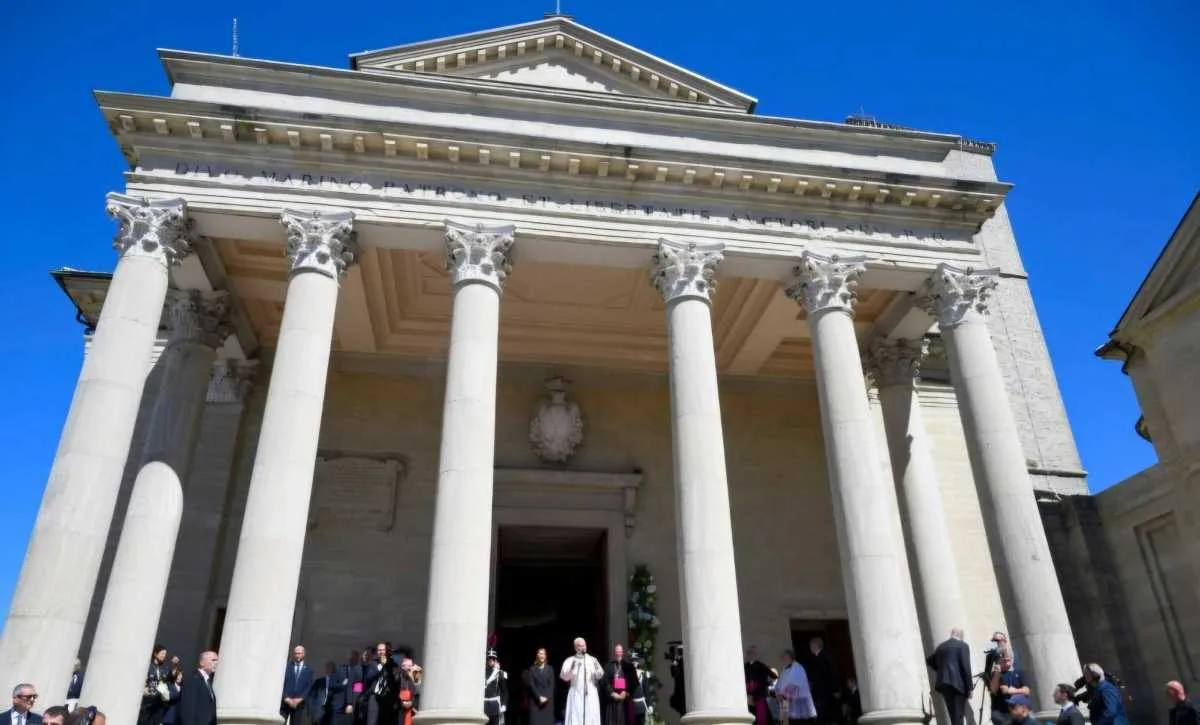
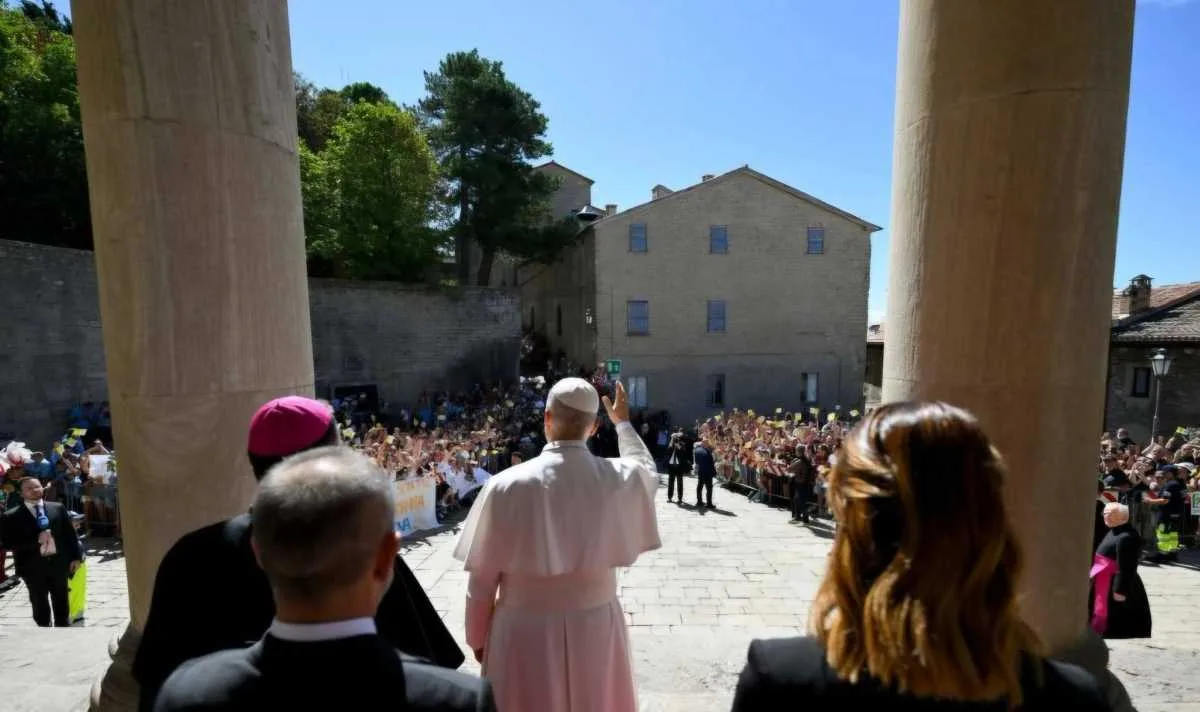
After concluding the meeting with the ecclesial community, the Pope greeted the many faithful present in the square. On the forecourt of the Basilica, addressing the young people again, he linked the Republic’s historic motto, Libertas, to Christian truth: “We find authentic freedom only in Jesus Christ.” He then urged those present to recognize the value of their own lives, to live with awareness of God’s love, to be generous in service, and to build genuine friendships and communities.